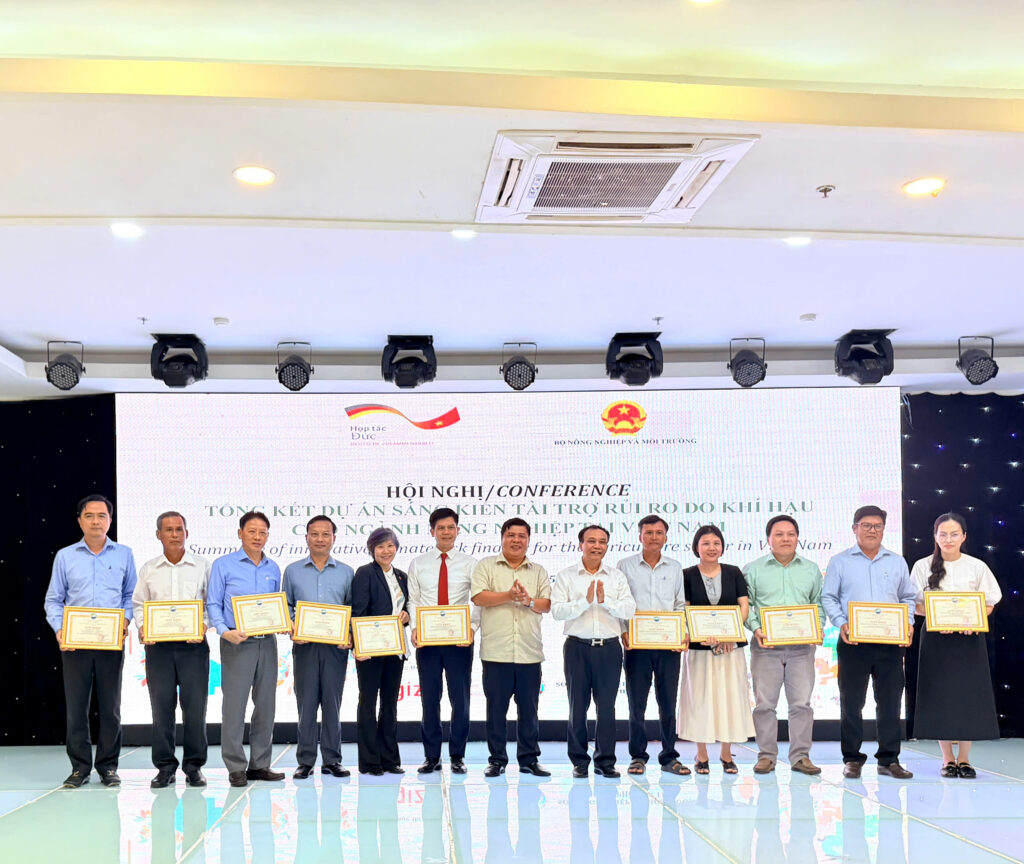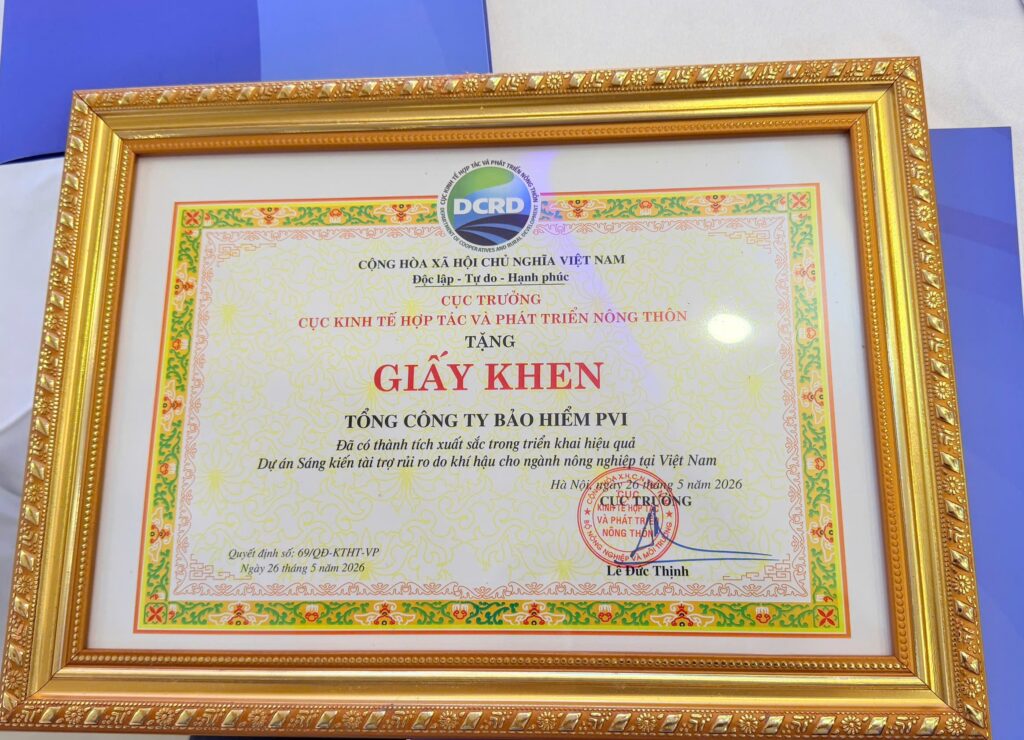


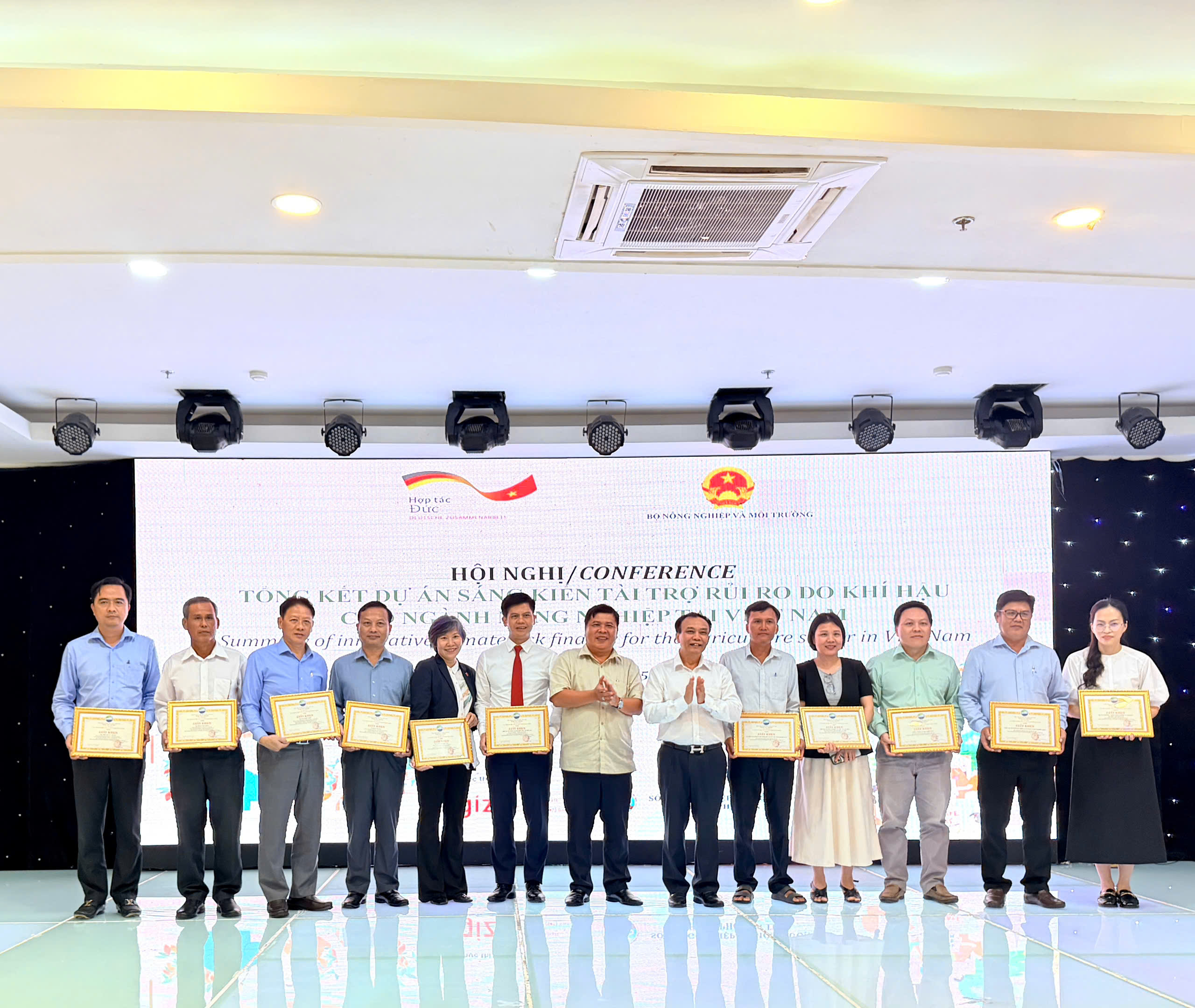
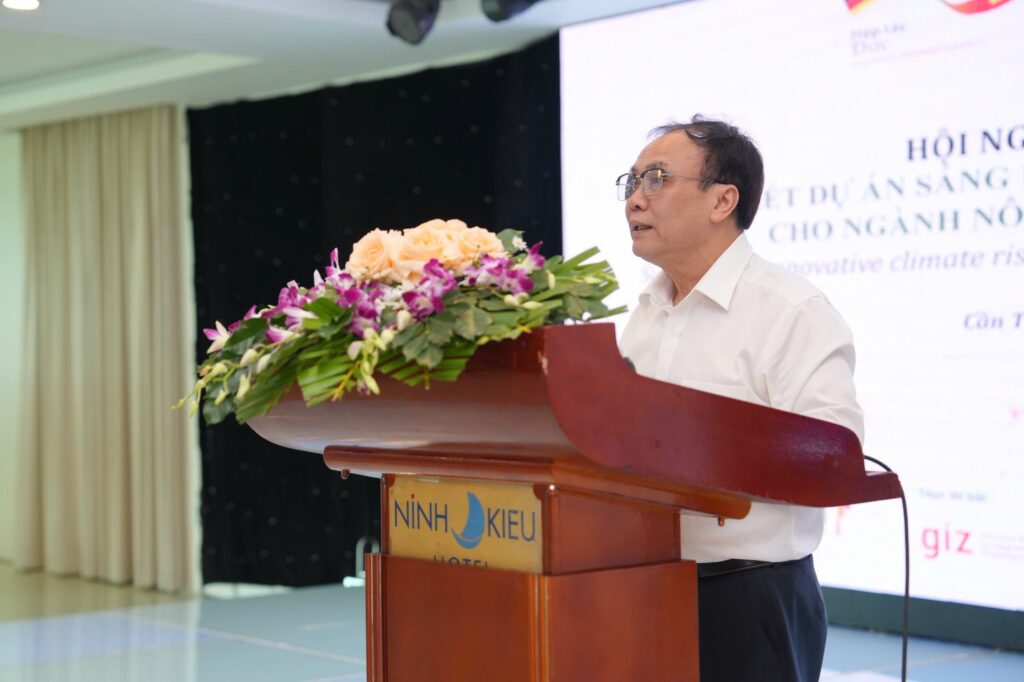
On the afternoon of May 28, at Ninh Kieu Riverside Hotel in Can Tho City, the Department of Cooperative Economy and Rural Development, in collaboration with the Deutsche Gesellschaft für Internationale Zusammenarbeit (GIZ), held the closing workshop for the Climate Risk Finance for Agriculture in Viet Nam Initiative Project (AgriCRF-VN).
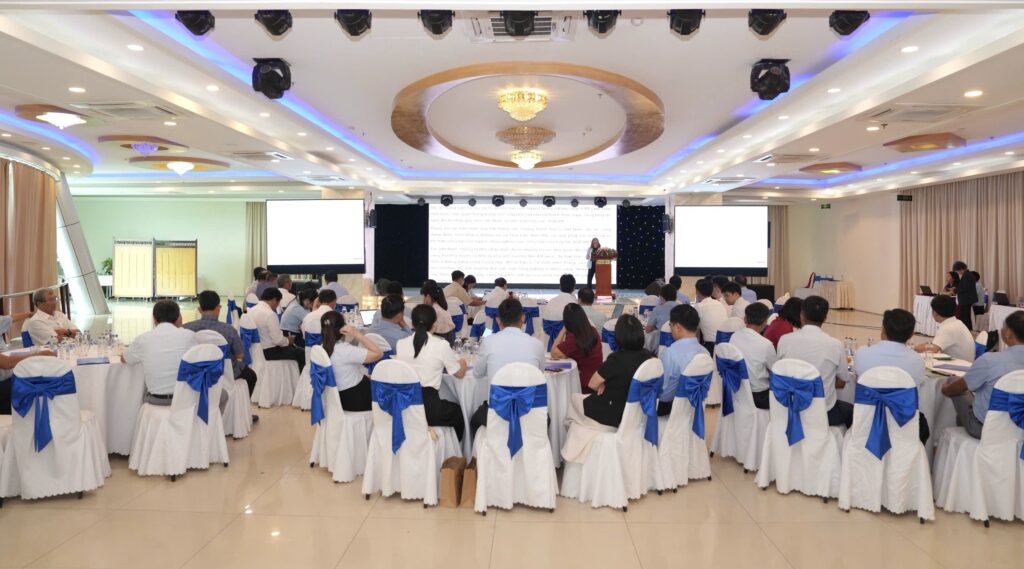
The event brought together representatives from government agencies, private-sector partners, financial institutions, cooperatives and farming households. It aimed to review the outcomes achieved after two years of developing the initiative, which is funded by the German Federal Ministry for Economic Cooperation and Development (BMZ) as part of the ASEAN–German regional project being implemented concurrently in Viet Nam, Indonesia and Thailand.
At the workshop, delegates, experts and scientists focused on analysing empirical data, discussing policy orientations and exploring financial instruments to support the agricultural sector in responding to natural disaster risks.
Pilot Implementation and Practical Outcomes
According to data presented in the project organisers’ report, after two years of implementation, AgriCRF-VN has recorded positive results against its initial objectives across all three core pillars. In the field of agricultural insurance, the project worked with insurance companies ABIC, MIC, MSIG and PVI to pilot indemnity-based insurance and weather-index insurance products for rice crops.
Through the cooperative network in the Mekong Delta, the pilot model reached 1,539 hectares of cultivated land in An Giang, Dong Thap and Can Tho. The mechanism was activated to provide compensation payments to 69 farming households affected by flooding and adverse weather events in 2025.
Survey results from the project organisers showed that 84% of interviewed farmers expressed their intention to continue participating in the programme, while 69% said they would be inclined to recommend the solution to others.
In the area of green credit, the project partnered with TYM Microfinance Institution to design a loan package with a credit limit of up to VND 100 million per household, offering preferential terms for production models that apply sustainable practices and integrate supporting technologies such as solar-powered equipment and rapid water-quality treatment solutions.
To date, more than VND 32 billion has been disbursed to 882 households. Under this component, a digital credit-scoring tool integrated into TYM’s mobile application has been put into operation, processing more than 100,000 loan applications and being deployed in practice across 13 provinces and cities.
The organisers’ report also highlighted a distinctive feature of AgriCRF-VN’s implementation approach: the integration of gender considerations into field activities, reflecting the important role of women in household economic management in agricultural areas. Accordingly, all 882 households that accessed green credit under the project were represented by women. In addition, women accounted for 66.7% of trainees in the trainer pool, while the proportion of female workers participating in financial literacy training reached 32%, meeting the project’s minimum target of 30% set during the design phase.
To support people in accessing financial tools, capacity-building activities were carried out through a training package comprising seven modules, covering household financial management, agribusiness management, risk management, insurance and financial services.
The project trained 258 trainers, who subsequently helped disseminate knowledge to 7,775 farmers across five provinces and cities, exceeding the initial target of 4,000 participants. Survey data from the organisers showed that 98% of learners changed their awareness of climate-related risks, while 68% had applied risk-mitigation tools in their production activities.
A Shift in Mindset and Policy Directions
At the workshop, experts and scientists agreed that the project’s practical outcomes reflected an important shift in Viet Nam’s agricultural sector: from a mindset of receiving post-disaster support to one of proactive financial risk management.
The application of these solutions not only helps offset immediate economic losses, but also encourages farmers to adopt sustainable farming techniques, thereby contributing to greater transparency in agricultural value chains and the protection of long-term livelihoods.
Many participants noted that for insurance and climate-risk finance models to be effective on a wider scale, products need to be further researched and designed in line with local realities. The development process requires reasonable and coordinated cooperation among state management agencies, businesses and farmers, along with continued efforts to improve the legal framework and strengthen the application of digital technology in data management.
The workshop attracted strong interest from experts and agricultural production stakeholders from the provinces and cities where the project is being implemented.
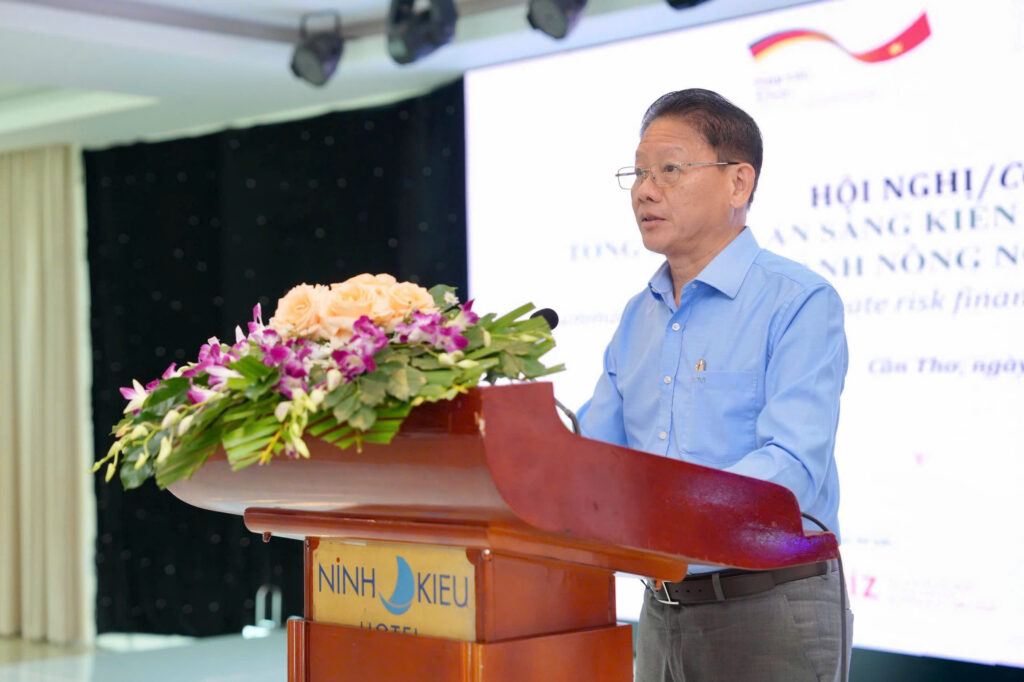
Assessing the impact of the models on management thinking, Mr. Le Duc Thinh, Director General of the Department of Cooperative Economy and Rural Development, noted that the project’s results were reflected not only in specific figures or products, but also in a shift in awareness and approaches among all stakeholders in managing climate risks in agriculture.
While many localities previously relied mainly on post-disaster support measures, awareness is now gradually shifting towards a more proactive approach. Farmers have gained a better understanding of the role of agricultural insurance and green credit; businesses and financial institutions have a stronger basis for designing more suitable products; and management agencies have gained additional information and practical evidence to support policy formulation.
Based on data collected during the pilot implementation process, the project compiled three in-depth reports: an assessment report on the practical performance of agricultural insurance models; a comparative analysis of international experience from Thailand, Indonesia, Japan, China and the Philippines; and a policy paper on the development of agricultural insurance for the 2026–2030 period.
These documents provide additional practical input for competent authorities in the process of studying and revising Decree No. 58 on agricultural insurance in Viet Nam.

During the roundtable discussion held as part of the workshop, experts, scientists and delegates contributed a range of technical opinions aimed at identifying solutions to sustain and scale up the project’s outcomes across agricultural value chains.
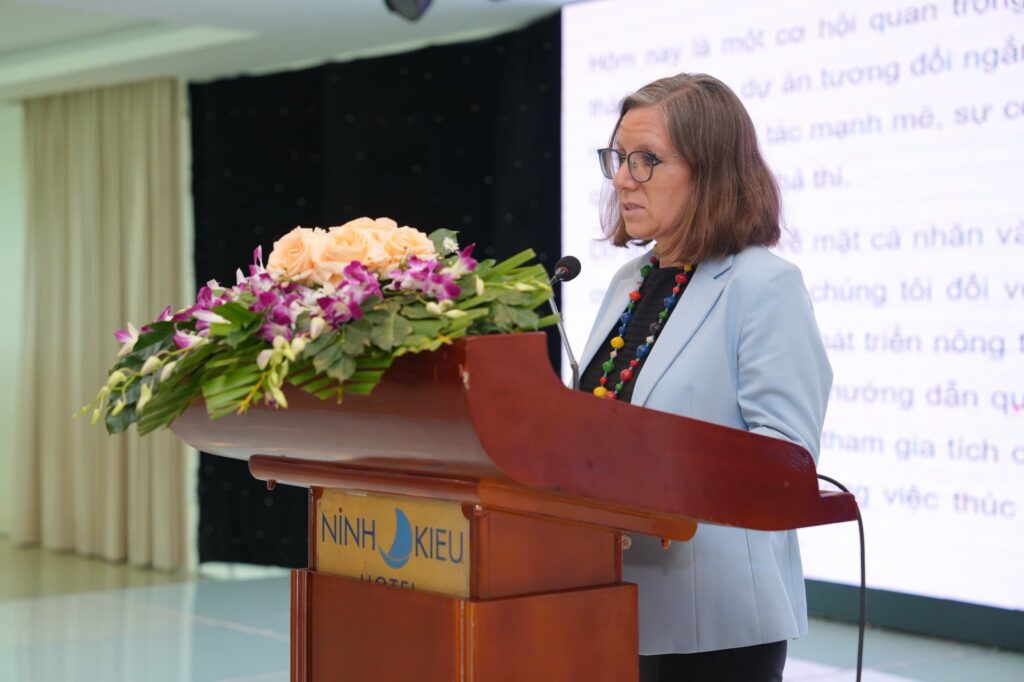
Ms. Sonja Esche, Head of Agriculture and Climate at GIZ Viet Nam, said that the provision of climate-risk financial products and services plays an important role in supporting the agricultural sector to take a more proactive approach when investing in sustainable production.
According to the latest implementation updates, the green credit product developed under the project has been proactively expanded by the implementing financial institution to nine provinces, with 22 branches operating beyond the project’s initial scope. This demonstrates the model’s adaptability and stable operation under market mechanisms, contributing to efforts to reduce losses caused by climate change in the current period.